FLAG

Libyan Arab Air Force’s Ghardabiya - Sirte
Super Air Base
After the revolution the Libyan Arab Republic Air Force inherited only two real military airport (RAF El Adem and the USAFE Wheelus AB) and more civil airport (for example, Misrata and Benina). The Libyan Air Force needed new and large airports so construction of four modern military airports began in the 1970s.
Between 1976 and 1983, the Al-Watiya, Ghardabiya (Sirte), Al-Bombah (Martyr Ali Al-Rais), and Al-Jufra air bases were handed over. Of these, Ghardabiya was the the biggest, a real super airbase! The Ghardabiya airbase built south of the city of Sirte, close to the coast of Sidra Bay.
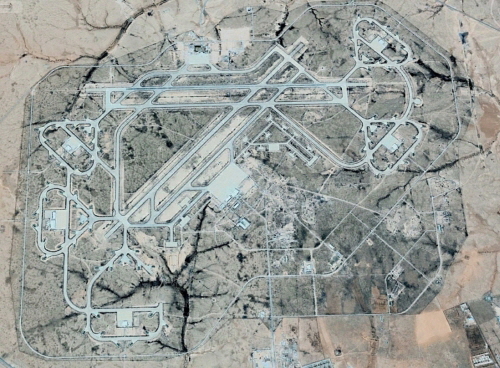
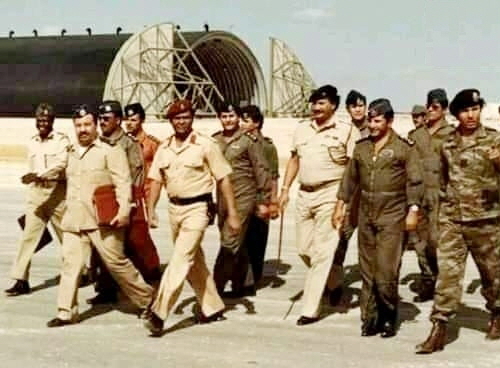
The new Ghardabiya airbase near Sirte city was huge! It had two 3,600-meter-long runways, an extensive taxiway network and five air squadron's zone. Each zone had 16 hardened shelter, one central hangar, and aprons, offices, workshops and other facilities.
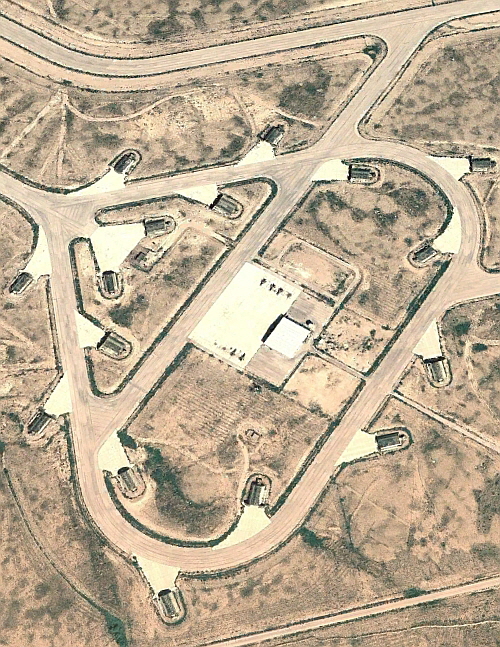
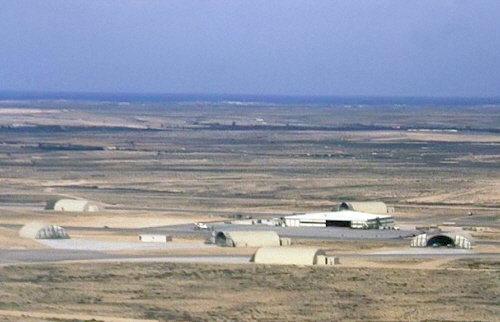
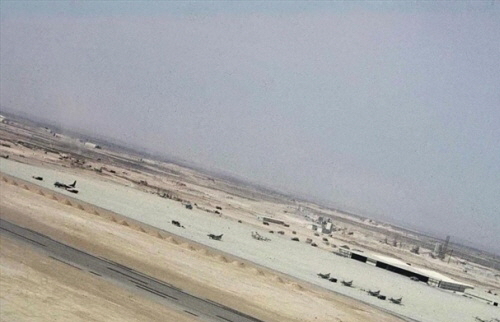
One air squadron's zone out of five. Image: Maxtar
The central apron was used by L-39s. Photo: J. Er niyho
The hardened shelters were NATO standard and provided protection for two Su-22 ‘Fitter’s or one MiG-25 ‘Foxbat’ combat aircraft. A total of eighty large shelters were built at Ghardabiya Air Base!
1978-1980 period - Ghardabiya (Sirte) Air Base
The airport opened in the late 1970s. The first air unit, the 1022nd Air Squadron, relocated from Mitiga Airport in October 1978 with Su-22 (S-32M2K) ‘Fitter’ reconnaissance bomber aircraft.
Then, in 1979, two squadrons from the Libyan Air Force Tripoli Air High School moved here, also from Mitiga Airport, with L-39ZO Albatros aircraft, Czechoslovakian instructors, and Libyan cadets.
These training squadrons made a brief detour to Al-Watiya Air Base in 1979, but the conditions were not ideal. They then flew to Ghardabiya Air Base, where both the accommodation conditions for the personnel were adequate and the huge airport was ideal for flight training.
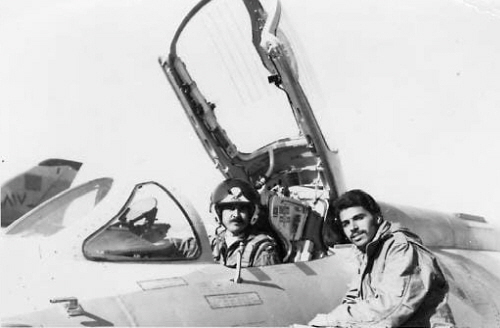
Libyan crew with their Su-22 (S-32M2K) ‘Fitter’ reconnaissance bomber at Ghardabiya Sirte airbase.
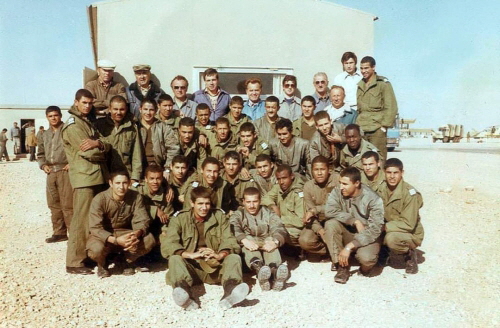
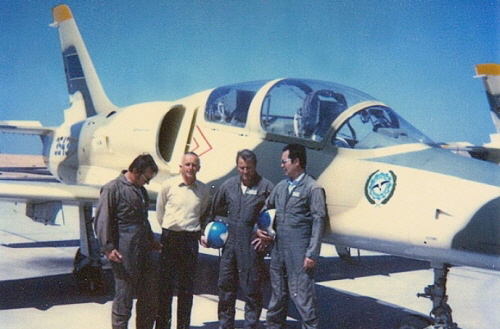
Sirte Air High School’s cadets and Czechoslovakian instructors at Ghardabiya airbase in 1979.
Then, between 1979 and 1981, a further significant number of L-39ZO Albatros training aircraft and new Su-22M (S-52K) ‘Fitter’ reconnaissance bomber aircraft type arrived at Ghardabiya airport.
-
A total of 180 L-39ZOs Albatros were delivered to Libya by the Czech Aero factory between 1978 and 1983, which were distributed among three schools. Of these, the Sirte Air High School used nearly fifty L-39 training aircraft here in the first half of the 1980s.
-
According to Soviet foreign trade data, 72 Su-22M (S-52K) ‘Fitter’ reconnaissance bomber aircraft were delivered to Libya between 1979 and 1981. All of them were sent to Ghardabiya Airport, where the new 1032nd Air Squadron was formed alongside the 1022nd Air Squadron. The older 1022nd Air Squadron used the new Su-22M type, while the old Su-22s (S-32M2K) were transferred to the new 1032nd Training Air Squadron.
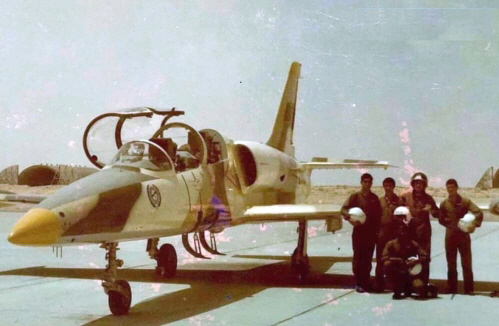
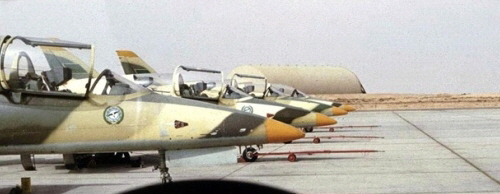
Sirte Air High School’s cadets and Czechoslovakian instructor with their L-39ZO Albtros trainer aircraft at Ghardabiya airbase in the early eighties
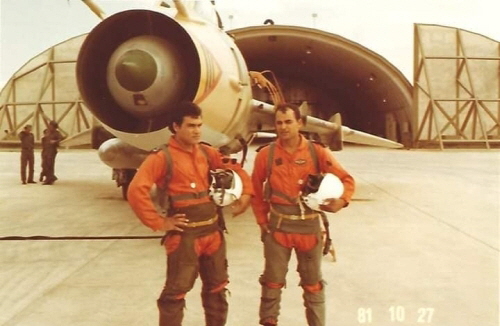
The 1022nd Squadron's two pilot with their Su-22M (S-52K) reconnaissance bomber aircraft in front of aircraft shelters at Ghardabiya (Sirte) Air Base in 1981.
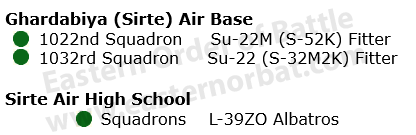
Ghardabiya Air Base’s order of battle in 1980:
According to Soviet data, between 1977 and 1981, the USSR delivered
-
24 bcs Su-22 (S-32M2K)
-
72 bcs Su-22M (S-52K)
-
16 bcs Su-22U/UM (S-52UK) two-seat
reconnaissance bombers to Libya. That is a huge number! Libya received Su-22M (S-52K) aircraft from the following factory series:
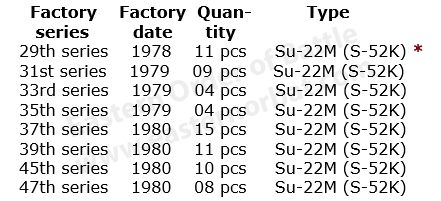
* The 29th series was the first Su-22M (S-52K) factory series in 1978. The first five aircraft from this series remained in the Soviet Union, while the other ten very early examples were sent to Libya. Every each Su-22M ‘Fitter’ factory series consisted of 15 aircraft.
The even serial numbers were used in the factory for the Soviet Su-17M3 series.
Whether these aircraft was actually delivered is still a matter of research. In any case, only two squadrons at Ghardabiya airfield used the Su-22 type, and the surplus was stored.
However, unlike Western sources claim, Libya never used the Su-22M3 (S-52M3K) variant! The Soviet Union only supplied this advanced Su-22M3 (S-52M3K) variant (50-57 series), capable of launching precision weapons, to the Hungarian People's Republic, Syria, and Iraq!
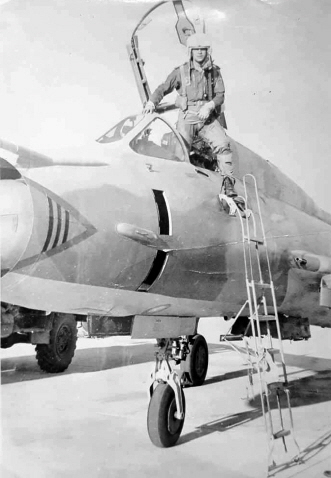
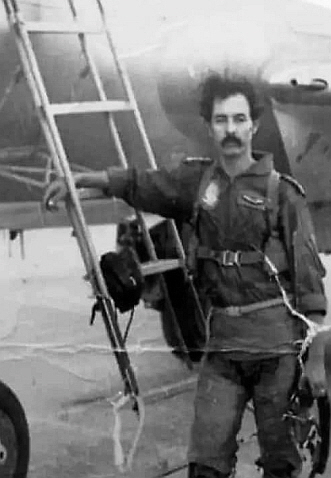
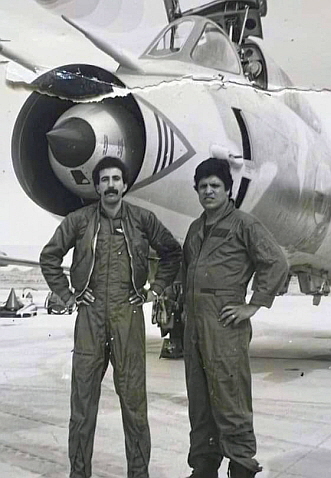
Libyan Su-22s at Ghardabiya (Sirte) Air Base. The photo on the right clearly shows the smaller window of the simpler Su-22M (S-52K) type Fon laser rangefinder in the nose cone. Photo: Mahmoud Salem Bin Salim
Initially, only more senior pilots flew the Su-22s. Then the first 12 novice Su-22 ‘Fitter’ pilots arrived from the USSR in 1980. They had previously been trained at the Soviet Krasnodar Air Force Academy between 1977 and 1980, flying L-39Cs and then Suchoi Su-22s. Six of them were assigned to the 1022nd Air Squadron, and the other six to the 1032nd Air Squadron at Ghardabiya air base.
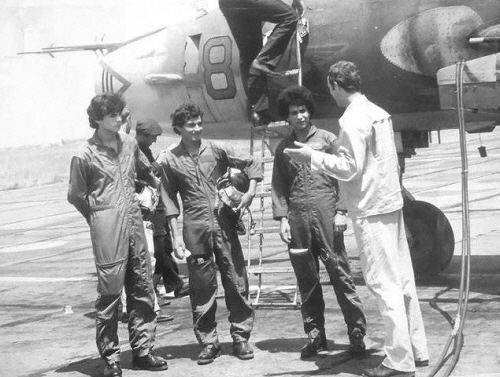
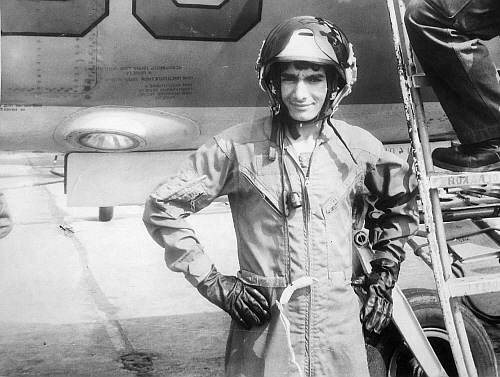
Beginning Libyan pilots flew on Su-22 ‘Fitter’s in the Soviet Union when they were trained on this reconnaissance-bomber type at Krasnodar College. The photos above were taken in 1984 at Krasnodar Airport, showing Libyan students with their Soviet instructor in front of a Soviet Su-22M.
In the 1970s, relations between Libya and the United States steadily deteriorated. From 1973 the Libya claimed the Gulf of Sidra as a closed bay and part of its territorial waters. In 1981, Reagan authorized a large naval force led by a pair of U.S. Navy aircraft carriers, USS Forrestal and USS Nimitz, to deploy to the disputed area. The two carriers had embarked a total of four interceptor squadrons:
-
the VF-74 "Be-Devilers" and VMFA-115 "Silver Eagles" flying F-4J Phantoms from USS Forrestal
-
and the VF-41 "Black Aces" and VF-84 "Jolly Rogers" with F-14A Tomcats from USS Nimitz.
The Libyan Air Force responded by deploying a high number of interceptors and reconnaissance. In 1981 the Ghardabiya-Sirte airbase was at the center of events and deployed its Su-22 ‘Fitter’ reconnaissance-bomber aircraft types as air defense fighter.
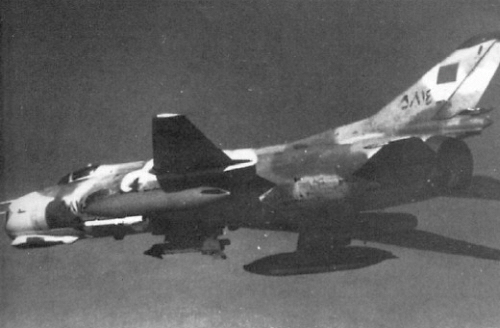
Air Defence patrol over Gulf of Sidra - Libyan 1032rd Air Squadron’s Su-22 (S-32M2K) ‘Fitter’ with newer R-13M missile in 1981. Photo: US NAVY
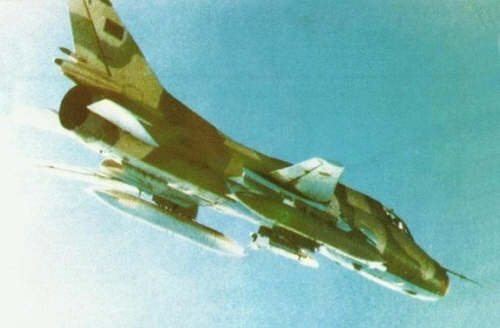
Air Defence patrol over Gulf of Sidra - Libyan 1022rd Air Squadron’s Su-22M (S-52K) ‘Fitter’ with the obsolete R-3S missile in 1981. Photo: US NAVY
In August 1981, both the Libyan 1022nd and 1032nd squadrons flew Air Defense patrol missions with Su-22 and Su-22M aircraft from Ghardabiya airfield. Interestingly, the older Su-22s were armed with the newer R-13 missiles, while the newer Su-22M types were used with the older-obsolete R-3S missiles.
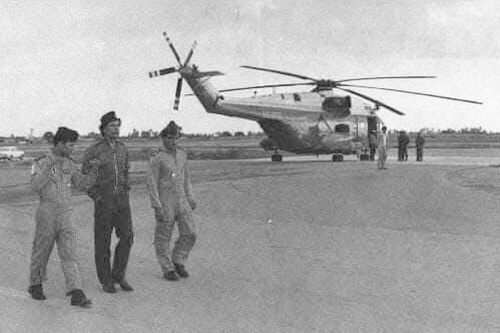
In the incident on August 19, F-14A aircraft from VF-41 'Black Aces' Squadron shot down two Su-22M aircraft from the Libyan Air Force's 1022nd Squadron. The Libyan pilots: Captain Belkacem Emsik al-Zintani, and 1st Lieutenant Mokhtar el-Arabi al-Jaafari ejected about 75km off the coast of Syrte. After several hours in the water, a Libyan search and rescue (SAR) helicopter rescued them.
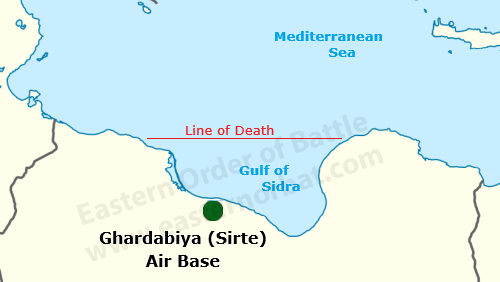
The question arises: after the US Navy warned Libyan forces about Freedom of Navigation (FON) operations, why did the Libyan Air Force command not deploy Mirage or MiG fighter jets from the Ghardabiya base in the middle of the Gulf of Sidra in August 1981? Why did they only send Su-22s , which are less suitable for air combat, against US forces?
Was it negligence, or did they believe Soviet advertising materials? Previously the Soviet Union advertised the Su-22 as a interceptor fighter aircraft. This was based on the following facts:
-
The Su-22s had excellent climbing ability
-
Unlike the Su-17M/M2s manufactured for the Soviet Air Force, the export Su-20/22/22M variants could deploy R-3S and R-13 air-to-air missiles
However, all these capabilities and the preparedness of the Libyan personnel were insufficient against the US Navy's F-14A Tomcat fighter jets.
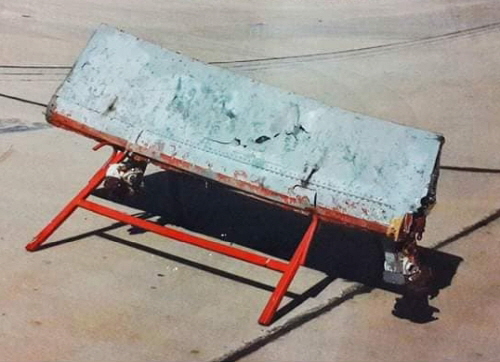
The official Libyan version is different is this. According to Libya, in the incident of August 19, 1981, Captain Emsik al-Zintani first shot down a US Navy F-14 Tomcat aircraft before he and his wingman were shot down. This was confirmed by Libyan media, with american aircraft wreckage found by a Libyan fisherman in Gulf of Sidra.

Left: According to Libyan media, presumably part of the wreckage of the American F-14 aircraft that was shot down in the aerial engagement. It bears the aircraft's name and part number and is located at the headquarters of 1022nd Squadron at Ghardabiya (Sirte) Air Base.
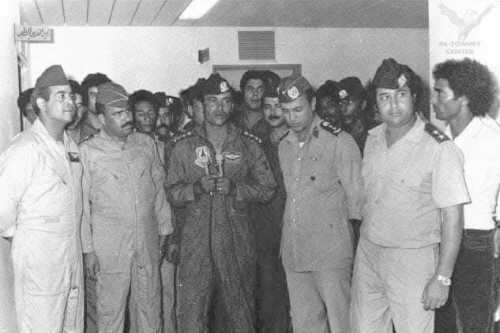
In November 1981 in Tripoli the press conference following the incident. Photo: Al-Tommy Center
After the press conference at Mitiga airport in November 1981 in front of the 1345th Squadron SA 321GM Super Frelon SAR helicopter. Photo: Al-Tommy Center
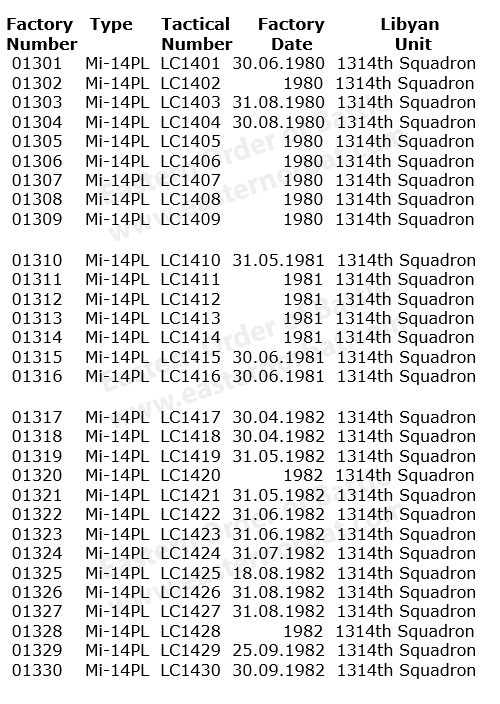
After the incident, the Libyan Air Force reinforced its search and rescue and air defense capabilities at the Ghardabiya airbase! In 1981, the 1314th Helicopter Squadron was formed here with Mil Mi-14PL Haze-A search and rescue and anti-submarine helicopters. Between 1981 and 1983, a total of thirty such helicopters were delivered to Libya by the USSR.
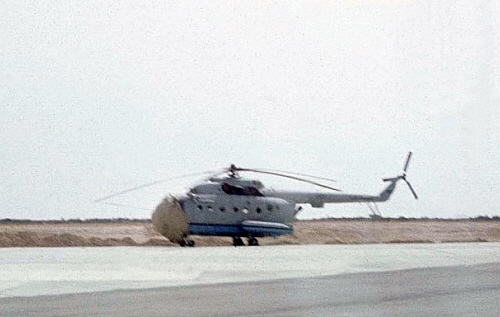
Libyan 1314th Squadron’s Mil Mi-14PL Haze-A search and rescue and anti-submarine helicopter at the Ghardabiya (Sirte) Air Base in the early eighties.
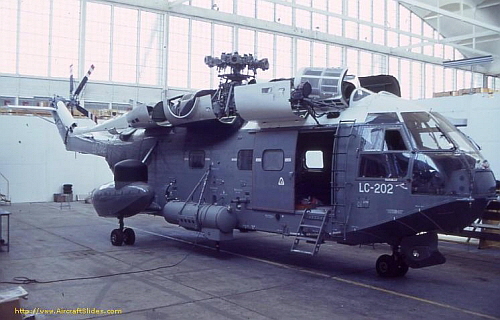
In parallel with the Mi-14s, France also delivered six radar-equipped A rospatiale SA 321GM Super Frelon helicopters fitted with Omera ORB-32WAS radar to Tripoli International Airport in 1980.
These two types were used to organize search and rescue services over Libyan coastal waters in the early 1980s.
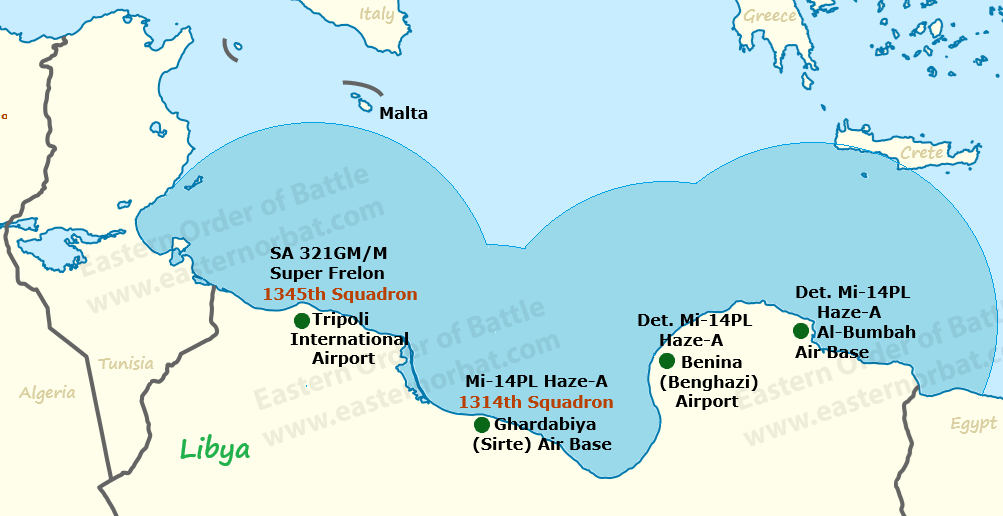
Major Libyan SAR bases and their patrol areas in the first half of the 1980s. Until the Saipem incident in 1980, Libya also operated SAR helicopters from Malta. But after that, relations between the two countries deteriorated.
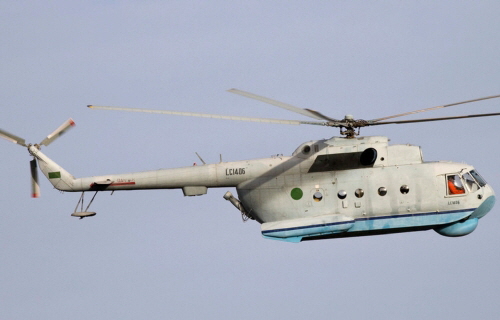
Libyan 1314th Squadron Mil Mi-14PL Haze-A search and rescue and anti-submarine helicopter with Type 12-M search radar. Photo: Chris Lofting
Libyan 1345th Squadron’s A rospatiale SA 321GM Super Frelon SAR helicopter with Omera ORB-32WAS radar. Photo: AircraftSlides
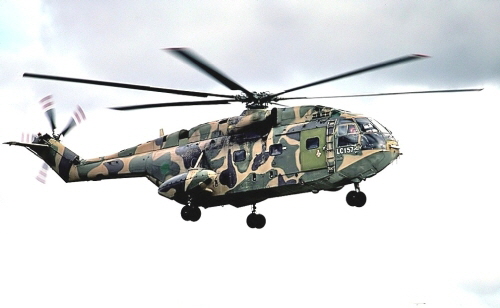
The Libyan Air Force could only fly SAR missions from Malta until the end of 1980. The remaining older SA 321M helicopters were used by 1345th Squadron in SAR and transport roles. Photo: John Visanich
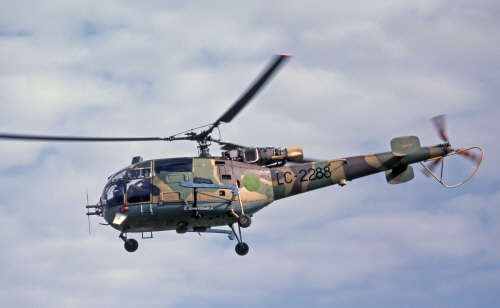
After 1981 the lower-performance A rospatiale SA 316B Alouette III helicopters were mainly used the 1315th Squadron in the country's inland areas. Photo: John Visanich
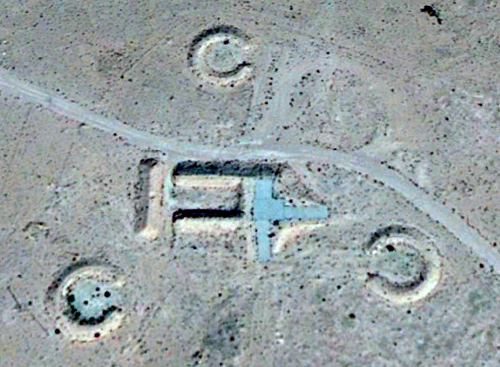
Air defense was also developed in the first half of the 1980s. From 1982, the 1090th Air Squadron moved here from Benina Airport with MiG-23MF ‘Flogger-B’ aircraft. In addition, five firing positions were built around the Ghardabiya airbase and Sirte city for Soviet origin air defense missile systems. These forces were part of the Libyan Air Defense Force's HUN air defense sector in the early eighties.
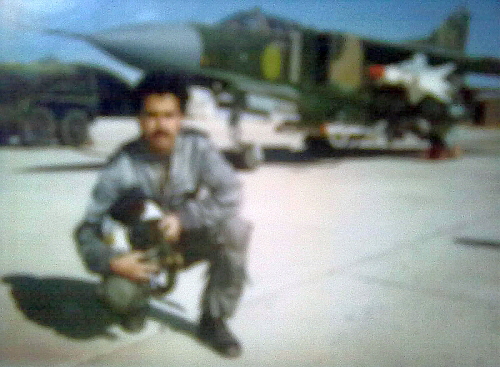
A pilot of the Libyan 1090th Air Squadron and his MiG-23MF ‘Flogger-B’ fighter jet at the Ghardabiya air base in the 1980s. The MiG-23MF has an unusual dark camouflage pattern for the desert, similar to that of the Czechoslovak MiG-23MFs. It was armed with R-3S ‘Atoll’ and R-23R ‘Apex’ missiles.
Typical SAM site around the Ghardabiya airbase and Sirte city. It is interesting that each of the five sites only contains three launch positions. This configuration was only used in the early S-125 Pechora Air Defence System. But this was not a typical design feature of the SA-75 Volhov system, for example. image: Maxtar
The above is the only known photo of the MiG-23MF ‘Flogger-B’ aircraft of the 1090th Squadron az Ghardabiya airbase. It shows that at least this particular aircraft was not painted in the Middle Eastern camouflage pattern, but in the European camouflage pattern at the factory before being delivered to Libya. This caused a lot of misunderstanding.
Also according to Western sources, this is a second-hand soviet MiG-23M, which was converted to the MF version in the Soviet Union and delivered to Libya in 1984. All this because it does not have Middle Eastern camouflage paint. But of course, none of this is true. Both Soviet factory data and the recollections of the 1090th Squadron crew refute the above.
A contract for the delivery of the MiG-23MF was signed between Libya and the Soviet Union in 1980. The Libyan crew traveled to the Soviet 5th Training Center in Frunze for retraining in 1980. The Libyan MiG-23MF aircraft were manufactured between 1981 and 1982, based on their serial numbers (between 131st and 142nd factory series). The first MiG-23MF aircraft arrived in Libya Benina airport in 1981, and after further training, the new 1090th Air Squadron moved to Ghardabiya Airfield in 1982 with 15 pilots and technical personnel.
The number of MiG-23s in Ghardabiya airbase was far below the number of local Su-22s. The number of MiG-23MFs did not reach twenty in the first half of the 1980s at this airfield. In addition, a few two-seater MiG-23UBs arrived with the 1090th Squadron in 1982.
Some known Libyan MiG-23MF ‘Flogger-B’ series and production year data:
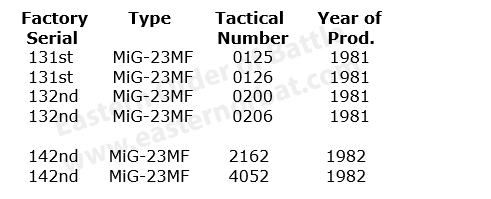
It is unclear why some of the Libyan MiG-23MF ‘Flogger-B’s wore European camouflage, but they were probably not intended for the Middle East at the time of painting. In any case, all of them were factory-new MiG-23MFs, which were used to reinforce the defense of the Ghardabiya airbase after the 1981 incident.
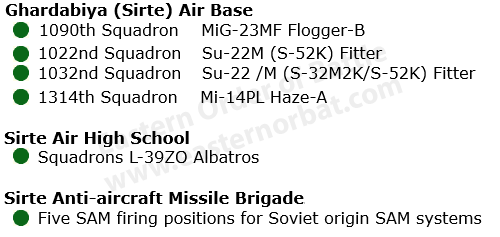
By 1982, the Ghardabiya air base's order of battle was complete with the new types:
Ground support capabilities were further developed. Between 1982 and 1983, a new helicopter squadron was formed at the Ghardabiya airbase. The new 1325th Squadron received brand new Mi-25 (Mi-24D) ‘Hind-D’ combat helicopters from the Soviet Union.
This was Libya's second combat helicopter squadron. The first Libyan Mi-24 squadron was the 1391st at Al-Watiya Air Base and used second-hand Mi-24A/D ‘Hind-A/D’ variants.
Originally, 24 Mi-25 (Mi-24D) ‘Hind-D’s combat helicopter arrived from the Soviet Union, followed by another one in the mid-1980s, probably as a warranty replacement.
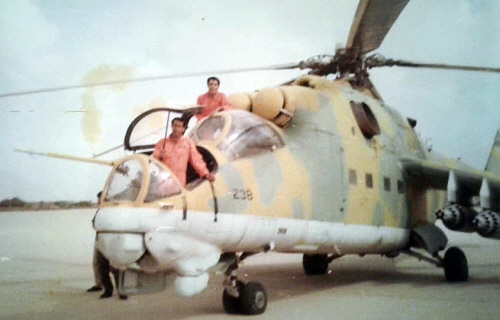
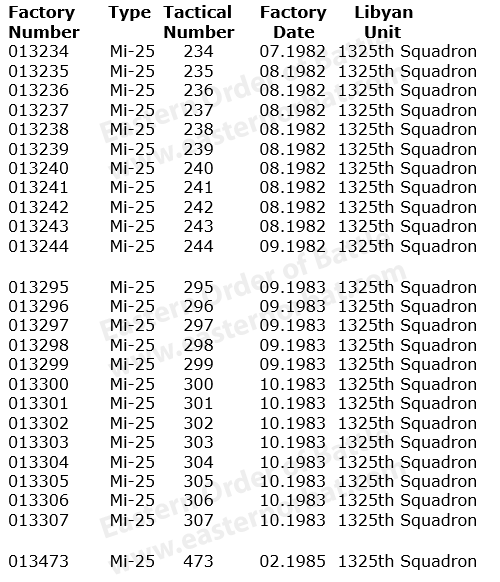
Left: The 1325th Squadron’s Mi-25 (Mi-24D) ‘Hind-D’ combat helicopter (B/N: 238) and the crew at Misurata airport.
From 1982 onwards, the air squadrons based at Ghardabiya Air Base also took part in the Chadian–Libyan conflict. The first loss of Libyan Su-22 fighter-bomber aircraft type over Chad, took place on 4 August 1983. Major Abdel-Salam Muhammed Shafraddine was shot down by a FIM-43A Redeye MANPAD operated by a group of French mercenaries near Faya Largeau airport, while flying a Su-22 'Fitter' reconnaissance bomber aircraft.
Soon, the new Mi-25 (Mi-24D) 'Hind-D' combat helicopters of the 1325th Squadron were also deployed over Chad.
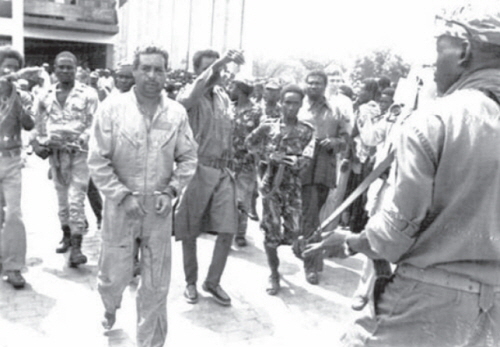
Major Shafraddine, the pilot of the first Libyan Su-22 shot down, as a prisoner in Chad in 1983.
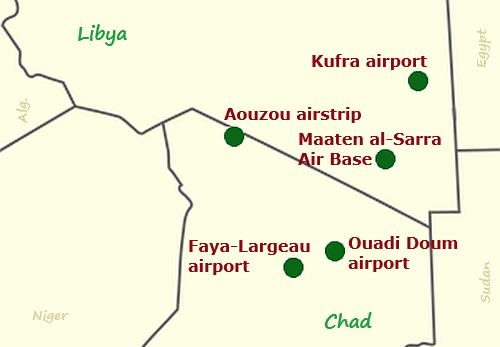
Libyan Su-22 ‘Fitter’ reconnaissance-bomber aircraft flew missions from the following airfields in south Libya and northern Chad in the eighties.
The Soviet Union supplied classic, contemporary air to ground weaponry for the Libyan Su-22s. S-5 and S-24 rockets with various warheads. Various types of FAB, RBK free fall bombs and ZAB incendiary bombs, and UPK-23/250 gun pod. These were deployed in Chadian–Libyan War, where their shortcomings became apparent. There was a need for weapons that could be deployed at low altitudes, as well as bombs with greater explosive power. Therefore, such weapons were ordered from Spain in the mid-1980s.
The Spanish BRPS-250 was a series of high-explosive, general-purpose aircraft-bombs family. A parachute slowed the bomb's descent, allowing it to be dropped from low altitudes. While Spanish BRI-P-400 bomb was a 400 kg high-explosive general-purpose aircraft bomb. The Spanish bombs' suspension-lugs allowed them to be mounted on Soviet aircraft as well. Both Spanish bomb types were tested in 1986 at the Ghardabiya air base on Su-22 bomber aircraft.
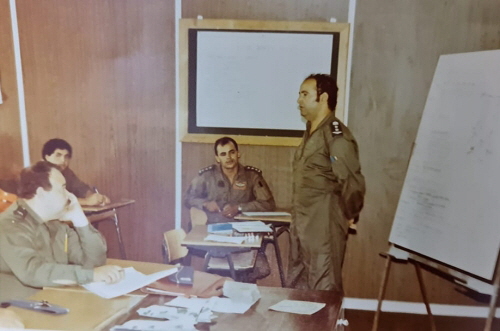
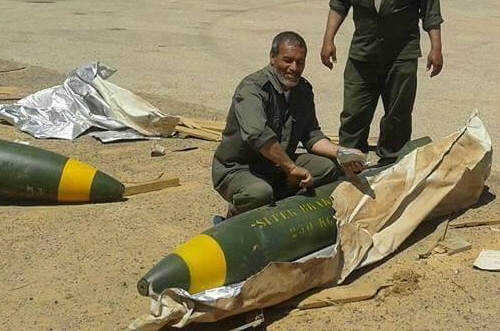
The Spanish bomb weapons Evaluation at Ghardabiya Sirte Air Base in 1986.
The Spanish-made bombs were also used in the Second Libyan Civil War. Several BRPS-250 parachute bomb in the photo at Benina airbase after 2014.
In the late 1970s, the Soviet Union considered Libya unreliable. Therefore, it did not supply precision weapons for the Su-22. According to recollections, only the Kh-28E AS-9 'Kyle' anti-radiation missile was supplied to Libya, but no photos of this have yet been found.
Later, in the early 1980s, Kh-23 Grom AS-7 'Kerry' missiles and Delta guidance system pods arrived with the MiG-23MFs. These could also be deployed by the Su-22 bombers.
Western sources mention that some of Libya's Su-22s were upgraded to the Su-22M-2K variant as in Syria and Iraq. What's more, they also delivered the Su-22M3 variant, which was capable of carrying the more modern Kh-25/27 and Kh-29 missiles. But, None of this is true!
On the Su-22 aircraft the 'KLEN-PS laser rangefinder and target designator' and 'LO86E guidance system' are required for the guidance of more modern, precision weapons. Based on the photos, none of the Libyan Su-22s were equipped with these!
Comparison of Libyan Su-22s with more modern or upgraded Syrian Su-22s:
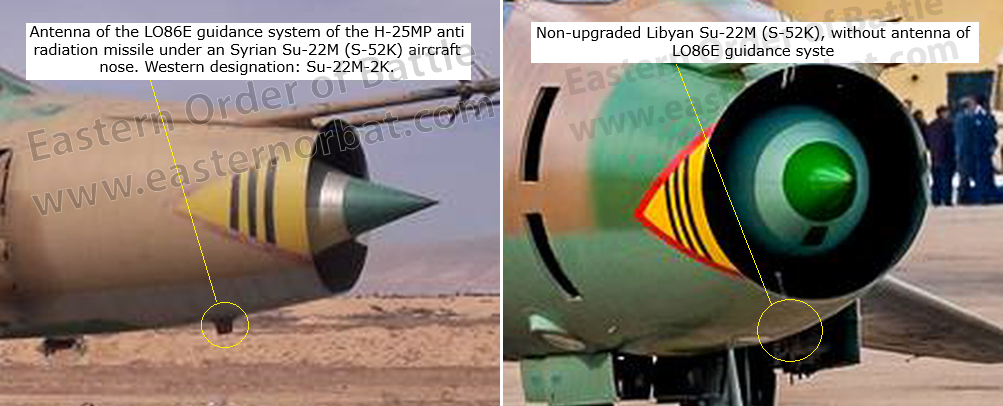
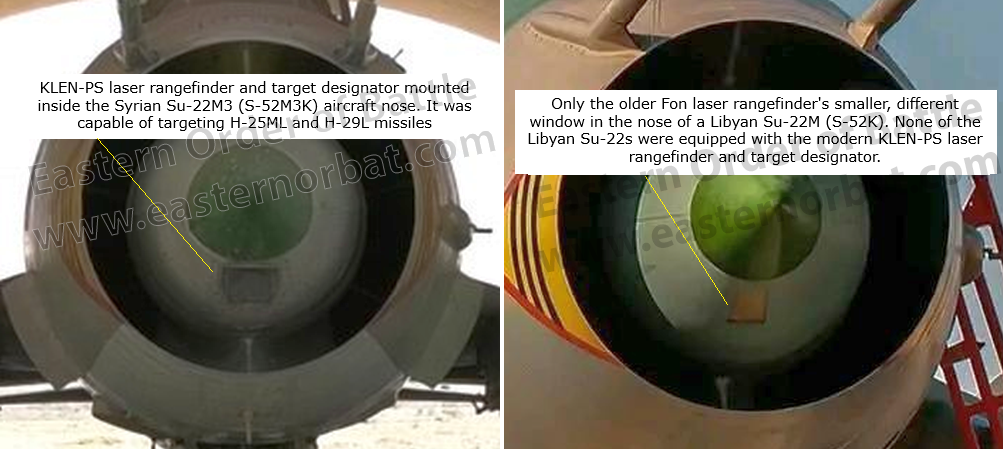
Other sources have made the presence of a ventral fin under the fuselage of the Su-22 a determining factor in whether the aircraft is modernized?!? This is utter nonsense! The ventral fin under the fuselage of the Su-22 stabilized the aircraft during flight. However, the longer under fuselage weapons could not accommodate from the fin. For example, the Kh-28E AS-9 'Kyle' anti-radiation missile. Therefore, the fin was designed so that it could be detached by removing several screws. The only difference was that the early series of Su-17M3/Su-22M (S-52M3/S-52K) aircraft, manufactured side by side on the Soviet production line, did not have this fin as standard. However, the late Libyan Su-22 (S-52K) factory series equipped with a ventral fin under the fuselage were just as incapable of guidancing more modern weapons as the early models without fins.
Libya had basic, export versions of the Su-22 (S-32M2K) and Su-22M (S-52K), which were never further upgraded with modern guidance systems and precison missile weapons!
In the mid-1980s, air defense around the city of Sirte was further developed. The new S-200VE Vega-E long-range, high-altitude surface-to-air missile system became part of this. In 1985, the Soviet Union delivered four missile battery to Libya. Two of these were assigned to the HUN Air Defense Sector.
The construction of two of firing site began in 1984 in 3.30 km (2.05 mi) south of Ghardabiya airport. The elements of the S-200 system arrived in 1985, and by 1986, Libya's first S-200 air defense system was operational here, albeit with limited capabilities due to a lack of trained and experienced Libyan personnel.
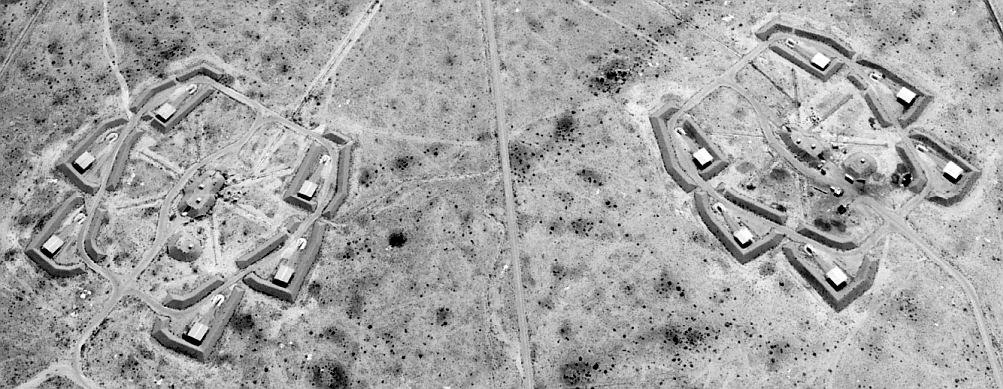
The first Libyan S-200VE Vega-E long-range, high-altitude surface-to-air missile system's two firing positions in South of Sirte city.
Another weapon system used to strengthen local air defense was the MiG-25PD ‘Foxbat-E’ export version supersonic interceptor. Twelve of these modern aircraft arrived at Mitiga Airport in 1984, where the new 1055th Air Squadron was formed.
The MiG-25s of the 1055th Squadron flew interception missions from Mitiga Airport with MiG-25PD ‘Foxbat-E’s during US Navy Operations Attain Document I/II between January and February 1986 The photos were taken by the US Navy during this period about Libyan MiG-25PD ‘Foxbat-E’s
Based on their experience, the Libyan Air Force leadership decided that it would be more effective to reorganize the Libyan fighter forces in the region. In mid-March 1986, the 1055th Squadron moved from Mitiga (Tripoli) Air Base to Ghardabiya Air Base. Twenty-eight Libyan pilots moved to Ghardabiya airbase with a small number of 12 high-speed MiG-25PD ‘Foxbat-E’ interceptor fighter and several MiG-25PU ‘Foxbat-C’ trainer aircraft to be closer to the Gulf of Sidra. At the same time, the local 1090th Squadron moved its MiG-23MF ‘Flogger-B’ aircraft from there to Misrata Airport.
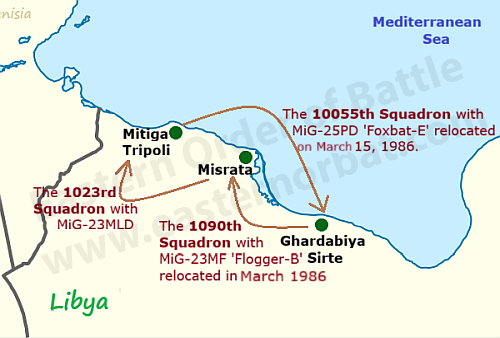
The Libyan Squadrons of the MiG-25PD, MiG-23MF and MiG-23MLD relocation before the Operation Prairie Fire in 1986.
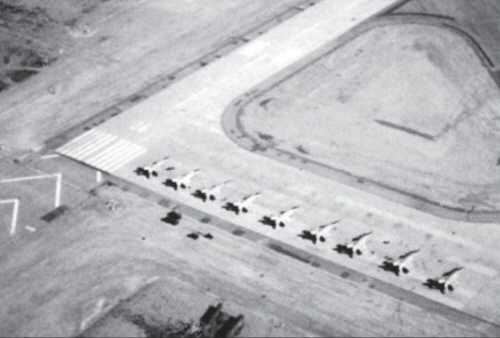
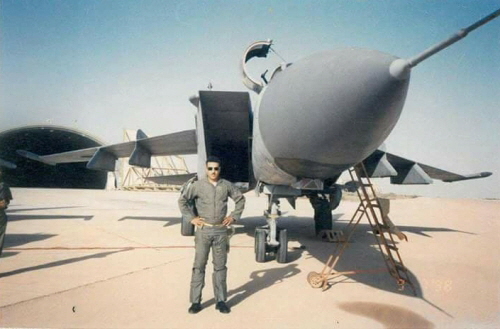
Libyan 1055th Squadron’s MiG-25PD ‘Foxbat-E’ interceptor row at the end of the runway at Ghardabiya (Sirte) Air Base.
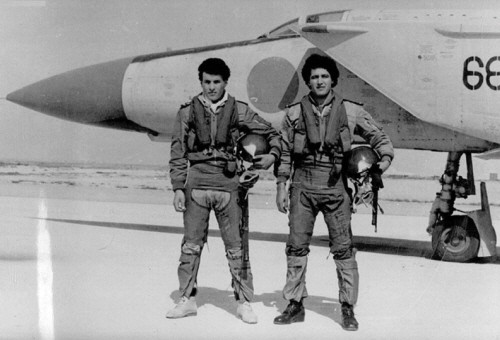
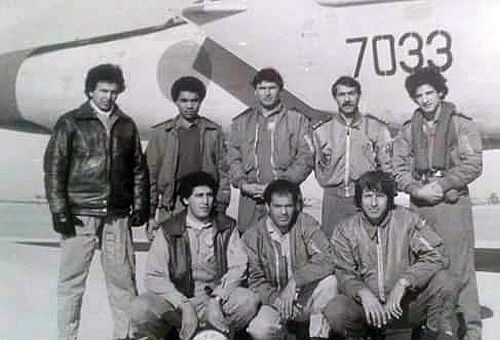
Soviet designers expected that the export MiG-25PD ‘Foxbat-E’ aircraft would encounter with American-made tactical fighters not just strategic bombers. Therefore, unlike Soviet PVO aircraft, the Libyan export MiG-25PD aircraft were also equipped with SPO-15 Beryoza radar warning receivers.
The March 1986 Operation Prairie Fire thus caught the air defense forces around Sirte unprepared. Among its modern weapon systems, the complex S-200VE Vega-E air-defense missile system was still being installed and training of personnel, and the high-speed MiG-25PD ‘Foxbat-E’ interceptor squadron had only arrived at the Ghardabiya air base a week earlier. Therefore, their deployment between March 23 and 29, 1986, was not efficient.
During Operation Prairie Fire, the Libyan 1055th Air Squadron sent modern MiG-25PD ‘Foxbat-E’ interceptors to patrol over the Gulf of Sidra from Ghardabiya airbase, and the Sirte S-200 anti-aircraft system even fired several V-880E/5V28E missile at US Navy aircraft, but without success.
However, the 5N62V "Square Pair" missile guidance radars of the Sirte Anti-aircraft Missile Brigade's S-200VE Vega-E systems wee damaged after US Navy A-6E Intruders and A-7E Corsair aircrafts fired AGM-88A HARM anti-radiation missiles at it on March 24.
Video: Libyan 1055th Squadron’s MiG 25PD ‘Foxbat E’ over the Mediterranean Sea in 1986 Source: US NAVY
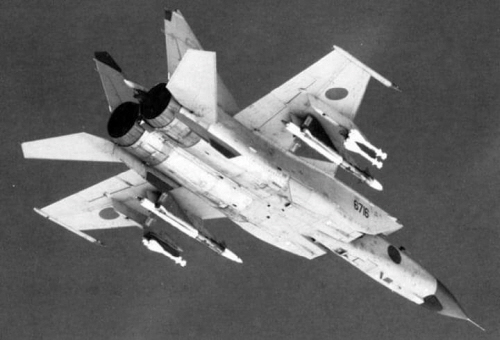
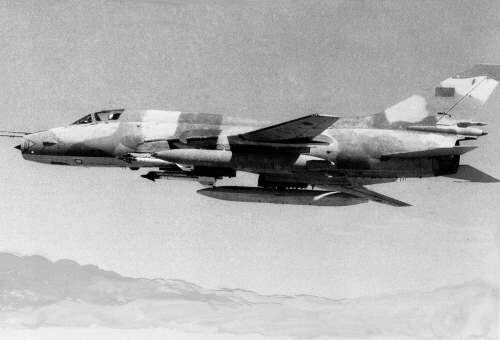
So, in the photos taken by the US Navy between January and February 1986 of the 1055th Squadron's interceptors over the Mediterranean Sea, the MiG-25PD ‘Foxbat-E’s took off from Mitigai Air Base and not from Ghardabiya (Sirte) Air Base.
Between 1985 and 1986, the Su-22M (S-52K) ‘Fitter’ reconnaissance bombers were deployed from the Ghardabiya (Sirte) airbase again as interceptor fighters.
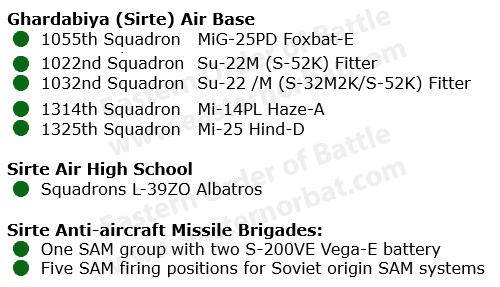
By 1987, the number of air squadrons stationed at the Ghardabiya airbase had reached its peak. Five combat squadrons, a training school, and nearly 150 aircraft and helicopters were stationed there. Ghardabiya (Sirte) airbases order of battle in 1987:
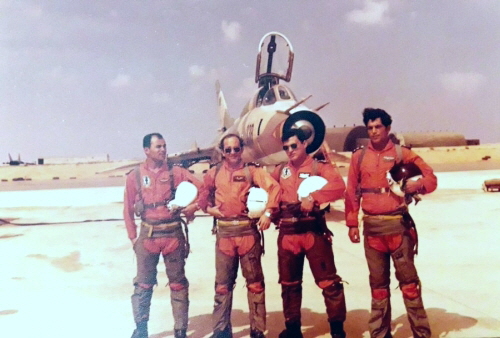
Four pilots from the Libyan 1022nd Squadron in front of their Su-22M (S-52K) reconnaissance bomber. On the left in the background is the 1055th Squadron's MiG-25 ‘Foxbat’, while on the right in the background are the NATO standard hardened shelters at the Ghardabiya air base in 1986.
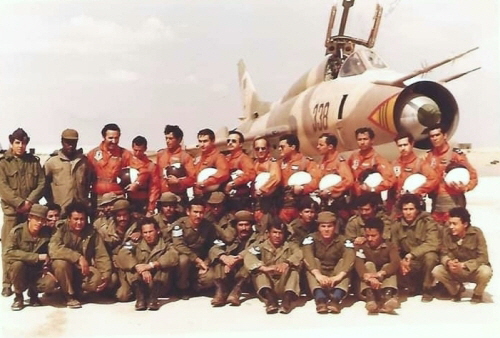
The pilots and technical crew of the Libyan 1022nd Squadron in front of their Su-22M (S-52K) 'Fitter' reconnaissance bomber at Ghardabiya airbase in 1986. The Su-22M aircraft with tactical number black 338 still bears its factory sand-brown and green camouflage paint, which has faded slightly under the North African sun.
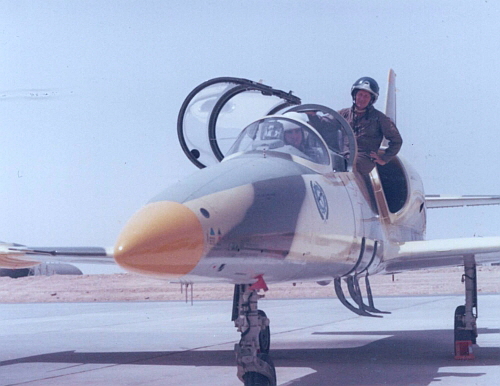
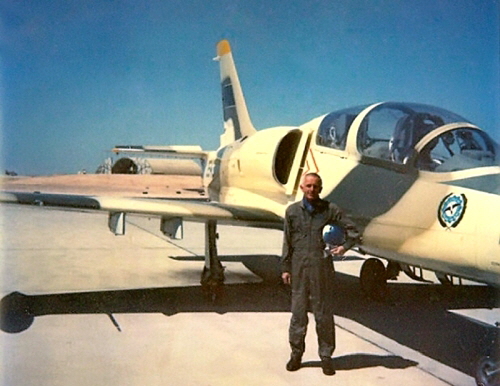
Czechoslovakian instructors from the Sirte Air High School with Libyan L-39ZO Albatros aircraft at Ghardabiya air base in the mid-1980s. Left photo: V clav Paleček, Right photo: V. Havnera pilotialetadla.cz
Between 1985 and 1989, Ghardabiya air squadrons were intensively involved in the fighting in Chad. During the battles of Fada, Aouzou, Ouadi Doum, and Maaten al-Sarra, the Ghardabiya 1325th and 1022/1032th Squadrons suffered significant losses. For example:
-
One Libyan Mi-25 ‘Hind’ was damaged during an air strike by the French Air Force's Jaguars in Ouadi Doum airport on 16 February 1986.
-
In the Battle of Fada the 1325th Squadron lost one Mi-25 ‘Hind-D’ helicopter gunship on 4 January, 1987.
-
The Libyan 1325th Squadron lost one Mi-25 ‘Hind’ attack hellicopter near Zouar on 19 February, 1987.
-
During the capture of Ouadi Doum airport in North-Chad, four Mi-25 ‘Hind-D’ combat helicopters of the 1325th Squadron were destroyed or captured on March 21, 1987.
-
In the Aouzou Battles an Mi-25 ‘Hind-D’ shot down by allegedly FIM-43A Red Eye on 17 August 1987.
-
And a Su-22 ‘Fitter’ bomber was also lost in August in the Aouzou Battles
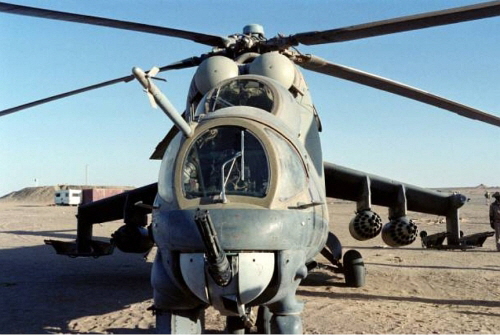
A captured Libyan Mi-25 (Mi-24D) ‘Hind-D’ attack helicopter (B/N: 302) from the 1325th Squadron, at Ouadi Doum airport in North-Chad on April 8, 1987. Photo: Doninique Faget/AFP
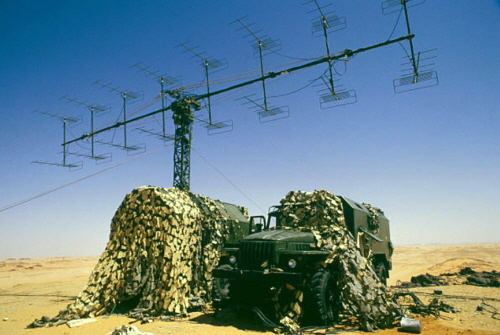
Libyan P-18 'Spoon Rest D' 2D VHF radar at Ouadi Doum airport in North-Chad in 1987. Photo: Patrick-Robert
-
On the day of the surprise attack on the Maaten al-Sarra airbase, during the evacuation on September 5, 1987:
-
One Su-22 bomber aircraft crashed into a barricade during takeoff from the taxiway
-
While three 1022ns Squadron’s Su-22 ‘Fitter’s were making an emergency takeoff, the last aircraft was shot down.
-
An Su-22 ‘Fitter’ bomber aircraft attacked Chadian forces after takeoff and was shot down in the airport area.
-
Libyan forces lost at least two Mi-25 helicopters during the loss of the airport.
-
A Su-22 ‘Fitter’ was shot down by a MANPAD in the Aouzou area on 8 October 1987.
In addition to combat lost, there were also significant losses of damaged and non combat lost Su-22M aircraft/ Mi-25 hellicopter. For exaple:
-
On February 6, 1988, two Su-22 ‘Fitter’ aircraft took off from Kufra airport on a reconnaissance mission. During a low-altitude reconnaissance flight, one of the Su-22s collided with a sand dune in the Rebiana desert, 120 kilometers east of Kufra airport.
For American MANPADS, the outdated Libyan Su-22Ms were easy targets over Chad in the late 1980s. The Libya's 1022nd Squadron's Su-22M (S-52K) ‘Fitter’ attack aircraft had no means of self-defense against the US-made FIM-43A Red Eye and FIM-92A Stinger MANPADs. Meanwhile, Soviet Su-17M3 aircraft were already equipped with KDS-23 flare/chaff dispensers in the 1970s. But export aircraft did not receive these. The situation was similar with the old, second-hand Mi-24A and Mi-24D ‘Hind-A/D’ types of the 1391st Squadron.
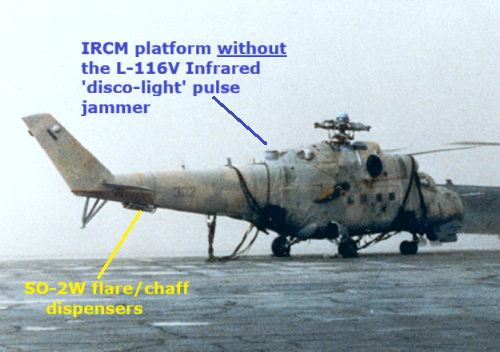
Only the new Mi-25 combat helicopters of the 1325th Squadron had self-defense equipment against MANPAD attacks:
-
The Mi-25 combat helicopters delivered in the first half of the 1980s were equipped with have tail boom mounted ASO-2W flare/chaff dispensers.
-
In addition, on the Libyan Mi-25s were equipped with an IRCM platform at the aft of the engine housing, but no photos showed that it was equipped with the L-116V infrared 'disco-light' missile suppression lamp.
It is likely that the Soviet Union did not supply to Libya with this self-defense device.
Left: Libyan 1325th Squadron’s Mi-25 (Mi-24D) ‘Hind-D’ (B/N: 302) attack helicopter in 1987
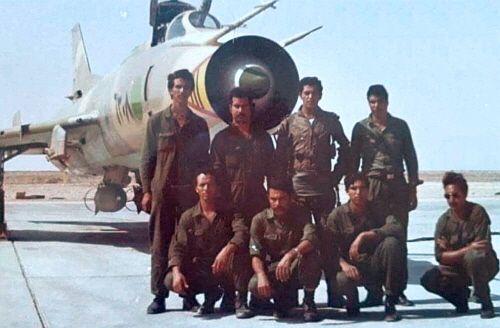
The 1032nd Squadron’s crew in front of the early Su-22 (S-32M2K) ‘Fitter’ bomber with FAB-250M-62 bombs at Ghardabiya airport before 1988.
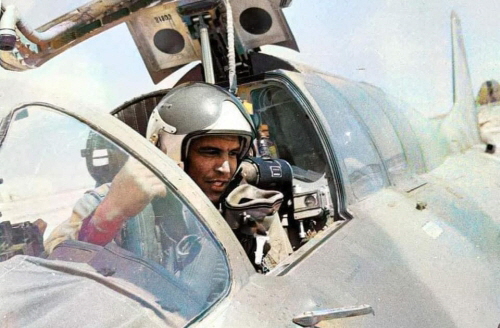
An early Su-22U (S-52UK) trainer aircraft from the 1032nd Squadron, at the Ghardabiya (Sirte) airbase. Photo: Rais Aghafir
Interestingly, Libya did not consider modernizing its existing equipment, as Syria and Iraq did in the mid-1980s. Instead, the Libyan leadership wanted to acquire new weapons. At the end of the 1980s, they signed a contract with the Soviet Union for the delivery of Su-24MK ‘Fencer-D’ modern all-weather tactical bombers and Mi-35 (Mi-24V) ‘Hind-E’ combat helicopters.
Both new types were planned to be deployed at the Ghardabiya (Sirte) air base, so it was necessary to reorganize the existing squadrons.
-
On August 1988, the 1032nd Squadron, flying a mixed fleet of Su-22 (S-32M2K)/ Su-22M (S-52K) 'Fitter' reconnaissance bomber aircraft, was relocated to Al-Watiya airbase.
-
At the same time, the command of the 1314th SAR Squadron also moved to Mitiga airbase with its Mi-14PL 'Haze-A' search and rescue and anti-submarine helicopters.
-
During this period, the 1325th Squadron also left the Ghardabiya (Sirte) airbase with its Mi-25 ‘Hind-D’ combat helicopters, although this still needs to be clarified.
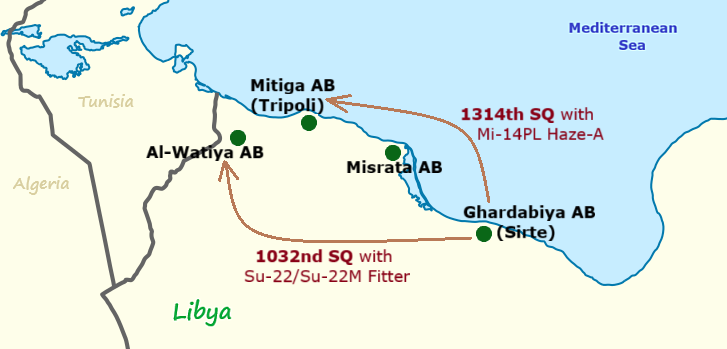
The Libyan Squadrons relocation from Ghardabiya (Sirte) Air Base in 1988.
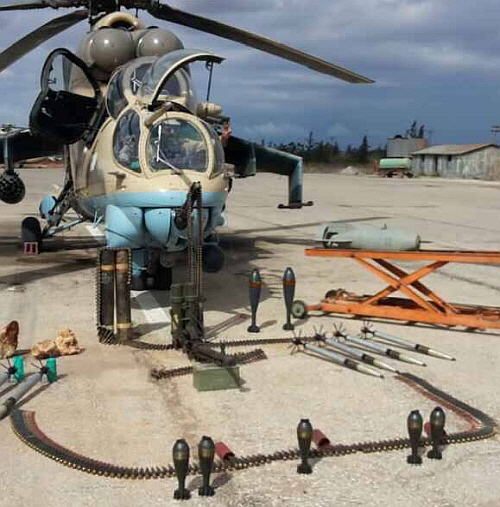
At the end of 1987, Libya signed a contract with the Soviet Union for the delivery of 12 brand new Mi-35 (Mi-24V) ‘Hind-E’ combat helicopters. The designated Libyan personnel traveled to the Soviet Union in January 1988 for retraining at the Soviet 5th Training Center in Frunze. The new 1335th Squadron was formed in 1988 with Mi-35 "Hind-E" attack helicopters at the Ghardabiya airbase, the base of the older 1325th Squadron.
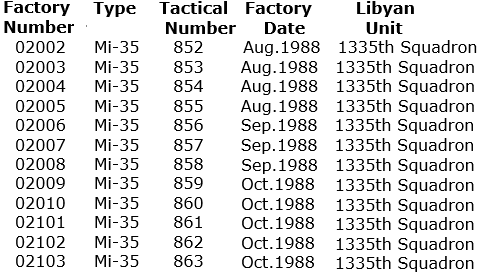
The Libyan 1335th Squadron's Mi-35 ‘Hind-E’s were deployed in the Libyan Civil War.
The Mi-35 (late Mi-24V) ‘Hind-E’ attack helicopter type was equipped with more modern self-defense systems, which ensured greater survivability for the 1335th Squadron personnel over the battlefields. These were:
-
SPO-15 Beryoza radar warning receivers
-
ASO-2V chaff/flare dispensers scabbed onto both the fuselage sides
-
L-116V-IIE Infrared (IR) 'disco-light' jammer installed aft of the main rotor hub
-
It is unclear whether they received the EVU IR radiation-suppression devices for the engines. In any case, no photos of it have been found.
The next new type of aircraft at the Ghardabiya air base was the Soviet-made Su-24MK ‘Fencer-D’ supersonic, all-weather tactical bomber type, from 1989. The Libyan Air Force leadership was looking for a new type
-
That could replace both the long-range Tu-22 bombers and the medium-sized Su-22M, Mirage F-1AD, and MiG-23BN types.
-
Based on the experiences of the Chadian War, the goal was for the new type to have self-defense capabilities against advanced radar-guided and infrared-guided missiles.
-
It should have a much greater range than the Su-22/MiG-23BN types
-
Be capable of launching modern laser and TV-guided bombs and missiles, and anti-radiation weapons.
-
Furthermore, it should be capable of refueling in the air too, so that it could be deployed without restriction both in the large territory of Libya and in neighboring countries.
The original ambitious plans included 36 Su-24MK ‘Fencer-D’ bombers and six IL-78 ‘Midas’ aerial refueling tanker aircraft. With this impressive force, the Libyans would have had the strongest air force in North Africa! However, the signed order was only for the delivery of 15 Su-24 bombers and two IL-78E tankers.
On October 1988, four Libyan pilots and four weapons navigators traveled to the Soviet Union to undergo Su-24 retraining at the Krasnodar Air Force Academy. On January 27, 1989, Libyan pilot took off from Krasnodar airport in the Su-24 bomber for the first time. The Libyan personnel had previously gained experience on Su-22 and MiG-23 aircraft.
The basic retraining to variable-sweep wing, twin engines and a side-by-side seating type lasted six months. The Libyan staff returned home from Soviet retraining in April 1989. At home, the new 1124th Air Squadron was formed at the Ghardabiya airbase.
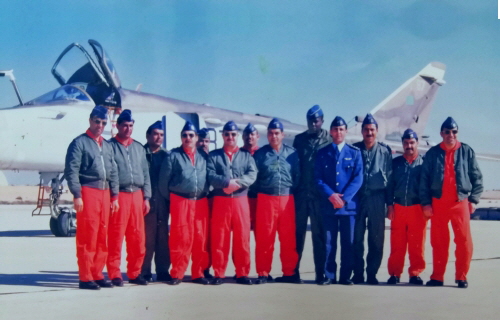
The first eight retrained pilots and weapons navigators at the Ghardabiya airbase in front of their Su-24MK ‘Fencer-D’ bomber aircraft.
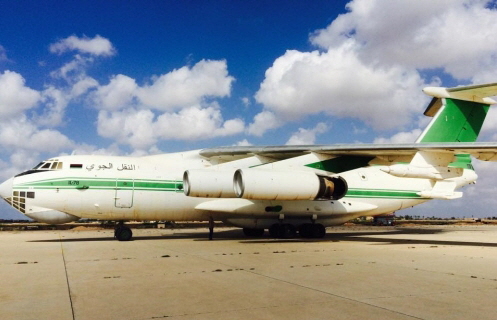
Libya's only IL-78 ‘Midas’ 5A-DLL aerial refueling tanker aircraft in the colors of the civil airline after 2011.
Ultimately, due to Libya's financial difficulties and the UN embargo imposed in 1990, only six Su-24MK ‘Fencer-D’s and a single IL-78 ’Midas’ were delivered by the Soviet Union between 1989 and 1990. All six brand new Su-24 bombers (B/N: 35, 36, 37, 38, 39, 40) were assigned to the 1124th Squadron at Ghardabiya Air Base. The advanced Libyan Su-24 bomber aircraft first took off from Ghardabiya airport on July 27, 1989.
Ghardabiya (Sirte) airbase’s order of battle in 1990:
* By the second half of the 1980s, the need for training young personnel had decreased. The number of Czechoslovakian personnel also decreased significantly at Ghardabiya Air Base
.
In 1988, the 1055th Squadron received six additional MiG-25PDS variants. These were originally MiG-25P interceptor fighter aircraft from the 1025th Squadron, which had been upgraded to the PD variant in the Soviet Union. Thus, from 1988, the 1055th Squadron used 10-11 factory-new MiG-25PDs and six upgraded MiG-25PDS ‘Foxbat-E’ interceptor variants at the Ghardabiya air base.
While in the late 1970s, the Soviet Union did not supply more modern weapons for the Libyan MiG-23BN ‘Flogger-H’ and Su-22/M ‘Fitter’ bomber types, this trend reversed ten years later. Due to the state of the Soviet economy, the promise of US dollars overrode caution. Libya, which paid (or more accurately, Indebted) in dollars, received the most modern ground attack weapons for its 1124th Squadron’s new Su-24MK ‘Fencer-D’ bombers. For examples:
-
More modern and high-explosive free-fall bombs, for example: OFAB-500ShN parachute-retarded bomb
-
S-25 large air-to-ground rocket with high explosive-fragmentation warhead
-
Kh-25 AS-10 'Karen' and Kh-29 AS-14 'Kedge' air-to-ground missiles with a various of guidance systems and a range of 10-30 km (6-18 mi)
-
Libya also received the very new KAB-1500L laser-guided bomb!
-
They also received high-performance, modern Kh-58E AS-11 'Kilter' anti-radiation missile for their Su-24 bombers
Thus, despite their small numbers, the Libyan Su-24MK ‘Fencer-D’ bombers represented a very potent striking force! Libyan Su-24 crews returned to the Soviet Union in 1990 for further combat and tactical training. In addition, the crew of the IL-76 stationed at Tripoli International Airport traveled to the Russia in 1993 for IL-78 aerial refueling training. However, in the end, this capability was not used by the Libyan Su-24s.
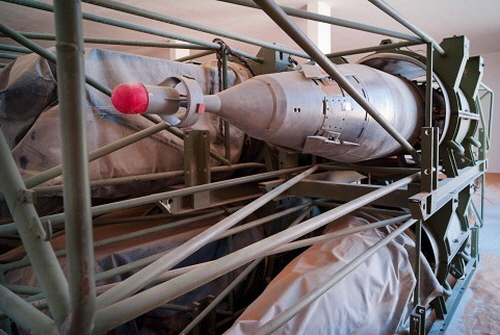
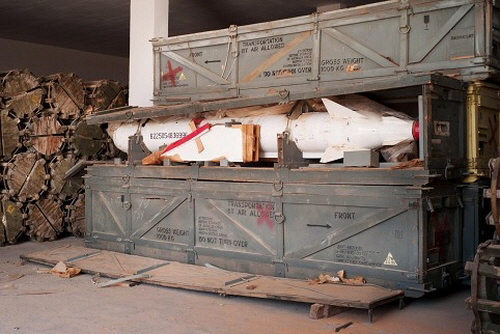
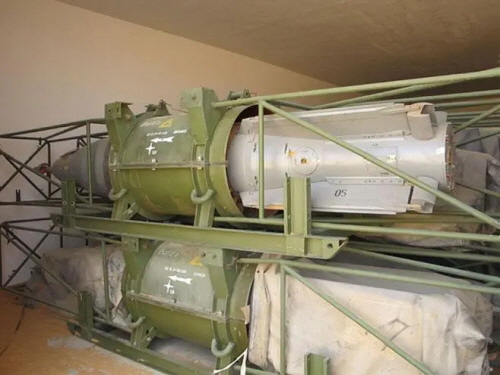
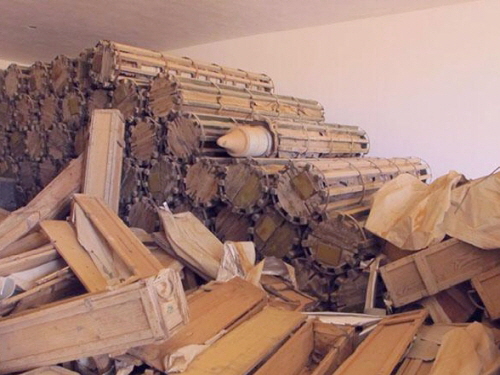
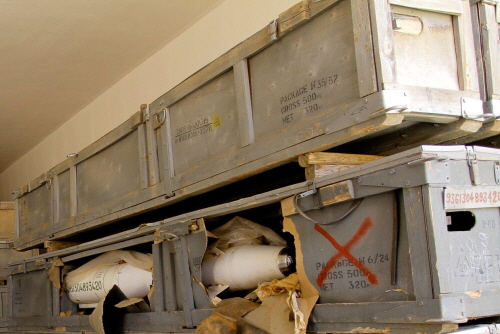
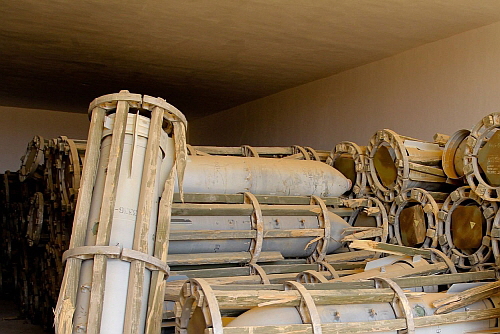
In the late 1980s the Libyan Su-24MK ‘Fencer-D’s received extremely modern weaponry from the Soviet Union. For example: the very new KAB-1500L laser-guided bombs. Photos: Philippe Desmazes
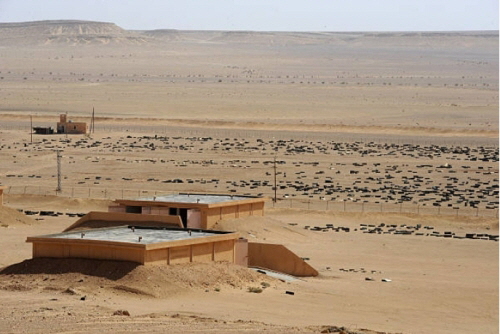
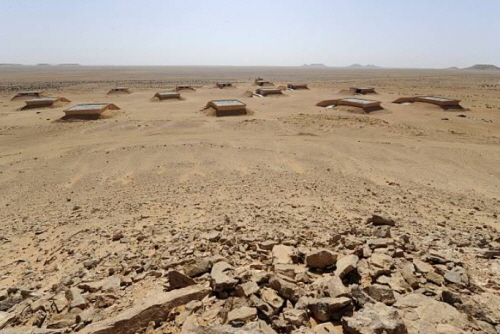
Ammunition depot 110 km (70 mi) south of the Ghardabiya airport. The weapons of the 1124th Squadron's Su-24MK ‘Fencer-D’s were stored here. Photos: Philippe Desmazes
Coordinates: 30 3'42"N 16 34'9"E
Due to UN embargoes and the collapse of the manufacturer Soviet Union, the Libyan Air Force found itself in a difficult situation. By the early 1990s, some aircraft had already been grounded due to a lack of spare parts. There was brand new Su-24MK ‘Fencer-D’ aircraft did not fly since 1992!
Meanwhile, the Su-22 'Fitter' and MiG-25 'Foxbat' aircraft needed industrial repair capacity. The repair shops of the former Soviet successor states and former Warsaw Pact member states were unable to repair Libyan aircraft and equipment due to the UN embargo. Without industrial repairs, the Libyan aircrafts could only fly for a limited time.
As a result, by the turn of the millennium, most of the Soviet-made equipment at the airport had become inoperable.
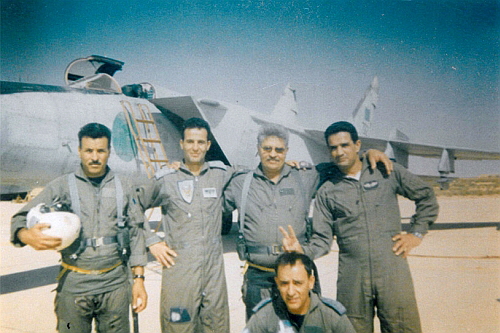
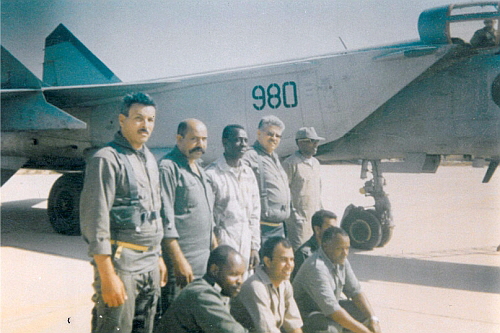
The personnel of the Ghardabiya air base and the 1055th Squadron's MiG-25PD/PDS ‘Foxbat-E’ interceptor aircraft in the final period.
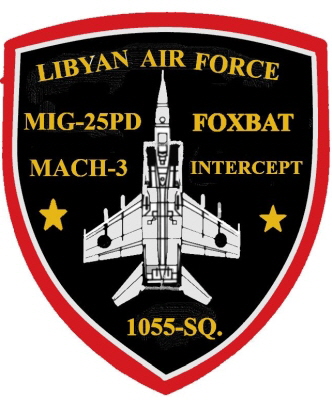
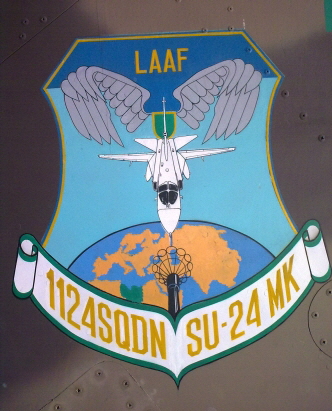
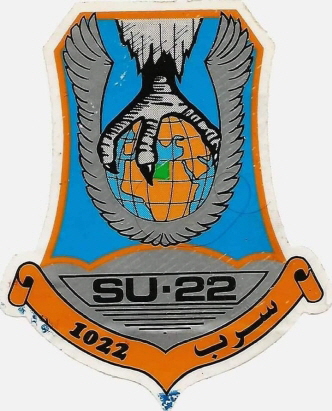
The patches of the Ghardabiya Air Base squadrons around the turn of the millennium
The UN lifted its embargo in 2003. This gave Libya the opportunity to sign contracts with repair plants in former Soviet states to maintain and support Libyan weapons systems. Three types combat aircraft were sent from the Ghardabiya airbase for life extension maintenance.
-
First, a small number of Su-22 ‘Fitter’s from the 1022nd Squadron were sent to Belarus for refurbishment. Less than twenty Libyan Su-22Ms (S-52K) and Su-22UMs (S-52UK) were refurbished at Plant No. 558.
-
Of the original 12, eleven Mi-35 combat helicopters were sent to Ukraine to the Konotop "AVIAKON" Aircraft Repair Plant from the 1335th Squadron.
-
The remaining five Su-24MK bombers were sent to Russia from Ghardabiya airport to the Novosibirsk Aircraft Plant "VP Chkalov."
Half of the Su-22M/UM ‘Fitter’s of the 1022nd Regiment and all MiG-25PD/PDS/PU ‘Foxbat-E/C’s of the 1055th Regiment were not refurbished and were permanently decommissioned. Previously, some of the MiG-25s had been transferred to Al-Jufra Air Base, while some of the L-39s had been transferred to Brak Airport.
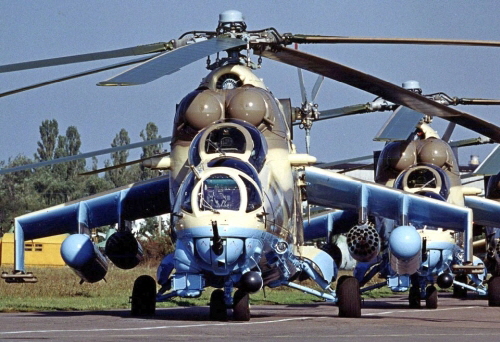
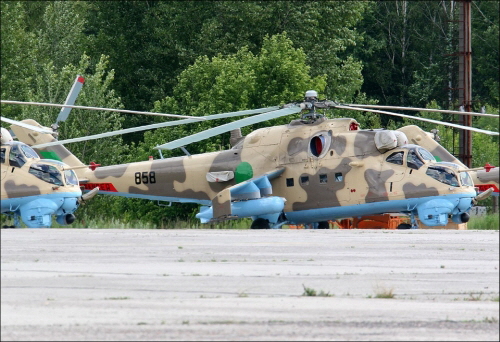
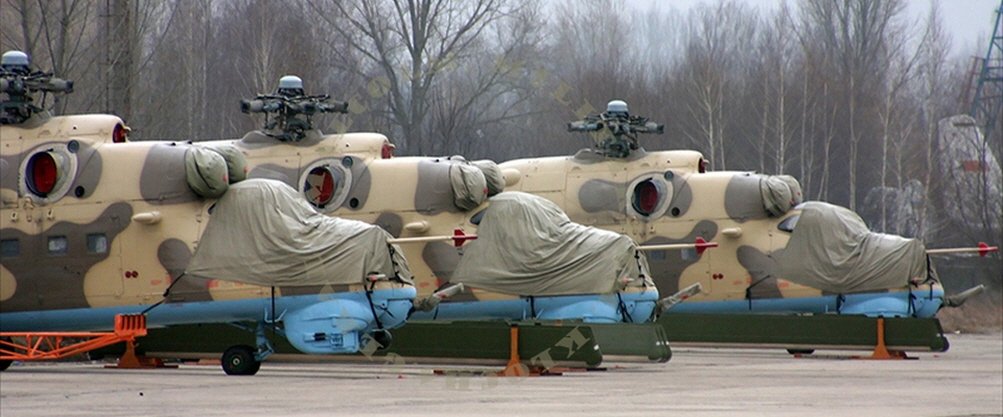
The Libyan Mi-35 'Hind-E' attack helicopters were repaired in several stages at the Konotop Aircraft Repair Plant "AVIAKON" in Ukraine between 2004 and 2006. The upper left photo shows two Libyan Mi-35s in the courtyard of the AVIAKON factory. The other two photos were taken at Gostomel Airport in Ukraine, awaiting air transport .
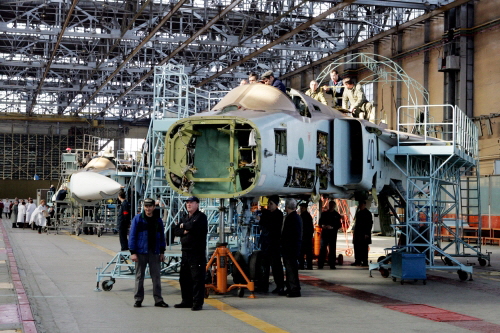
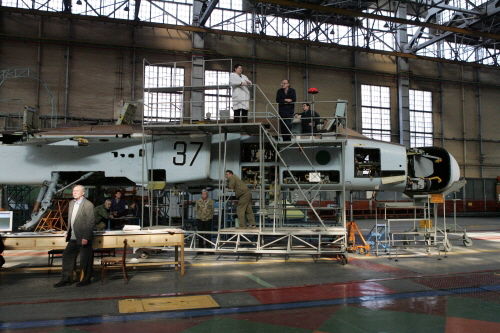
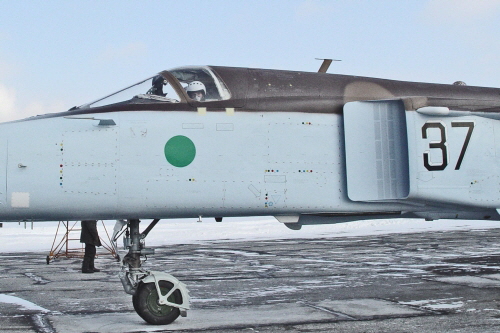
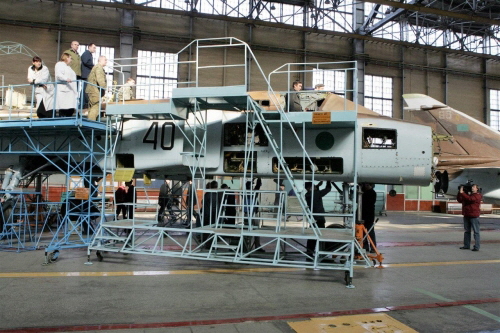
The Libyan Arab Air Force's Su-24s returned to the factory where they were built sixteen years ago, during the Soviet era. Here, at the Novosibirsk Aircraft Plant "VP Chkalov", they underwent major level repairs. Today (in 2025), Russian Su-34 bombers are manufactured here.
This made Ghardabiya Air Base once again the airfield equipped with the most powerful types of aircraft in the Libyan Air Force. They were proudly presented at the Lavex air shows between 2006 and 2009.
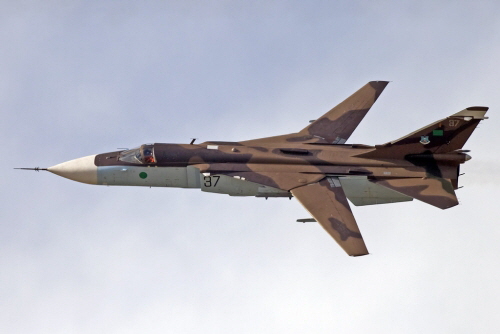
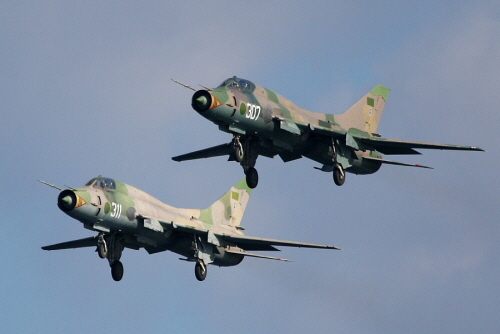
Ghardabiya (Sirte) airbase’s order of battle between 2007 and 2011:
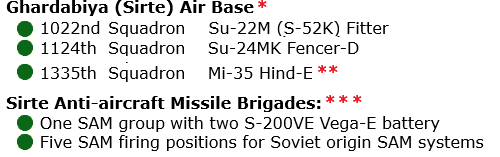
* The MiG-25s of the 1055th Squadron and the L-39s of the Sirte Air High School’s were stored at the airfield. The industrially unrepaired Su-22s of the 1022nd Squadron were also stored here too.
** The 1335th Squadron's detachments were stationed at several airfields with Mi-35 combat helicopters, such as Benina and Misrata too.
*** Only the S-200VE Vega-E SAM group was operational, and this only to a limited extent.
During the 2011 revolution,the air squadrons of Ghardabiya airbase were immediately deployed against various targets. According to military reports from the time:
-
At Benina airport, near Benghazi, Libyan Airforce commanders sided with the uprising and blocked the runway with the help of rocks and car tires. One Mi-35 was destroyed on the ground during fighting at this base, while another two other Mi-35 were captured the rebels from the Detachment of 1335th Squadron. Losses:
-
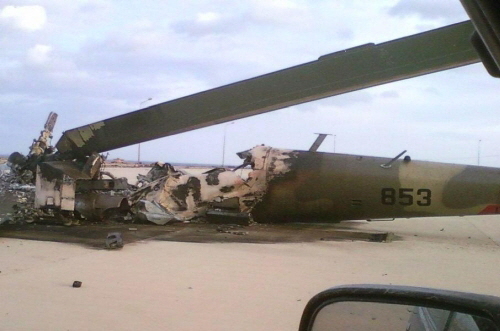
Mi-35 (B/N: 853) February 20 Benina AB Destroyed on ground
-
Mi-35 (B/N: 854) February 20 Benina AB Captured by rebels, damaged cockpit hood
-
Mi-35 (B/N: 858) February 20 Benina AB Captured by rebels
-
During the end of February nad the first few days of March, the Libyan Airforce limited its activity to deployments of the Su-22s and Su-24s from Ghurdabiya for sporadic strikes army bases and ammunition depots in Agedabia and Mersa el-Brega. Although undertaken from low level, these raids did not prove particularly effective. Several Libyan pilots refused orders and ejected during flight:
-
Su-22M February 23 The pilot ejected while approaching Agedabia instead of attacking local ammo depot; pilot evacuated to Egypt for medical treatment
-
Su-22UM (S/N: 81905) February 23 The pilot ejected both crew members during attack on ammo depot in Agedabia; both landed safely; WSO placed under arrest
-
During the week up to March 6, the LAAF continued flying such missions, but suffered a number of losses in the process, the most high-profile of which was the shooting-down of Su-24MK on March 5, claimed by a completely inexperienced 50-year-old rebel who had only one barrel of his ZPU-4 in working order.The crew of two-including at least one Syrian pilot-was killed. Also Mi-35s operating from other airfields, flew sporadic attacks.
-
Su-22M March 2 Claimed shot down by ground fire; probably damaged by ZPU-4 hit to wing
-
Su-24MK (B/N: 38) March 5 Shot down by ZPU-4 fire during attack on rebel positions west of Ras Lanuf, crew KIA
-
Mi-35 March 6 Shot down by ZPU-4s during attack on Ras Lanuf, crew KIA
-
From March 6, the LAAF completely changed its modus operandi, while significantly increasing the tempo of operations and deploying heavier weapons. From around this date, either An-26/32s or Austrian-made Schiebel Camcopter UAVs were used to reconnoiter targets, which would then be attacked by up to four successive pairs of Su-22s and Su-24s operating from medium level, where they remained outside the envelope of most of the weapons used by the rebels. In the course of such attacks, the loyalist pilots began causing some losses to the rebels and hit several important oil installations in the Ras Lanuf area.
-
A Su-22M was shot down by rebel ground fire on March 17, as it attempted to attack Benina air base. The Sukhoi was part of a four-ship Su-22 team from 1022nd Squadron that destroyed a number of civilian Yak-40s on the apron. The pilot ejected safely and was arrested
In this time, in Feb-March 2011, the 1021st Squadron’s five MiG-21bis ‘Fishbed-L’ fighter jets were stationed at the Ghardabiya airbase too.
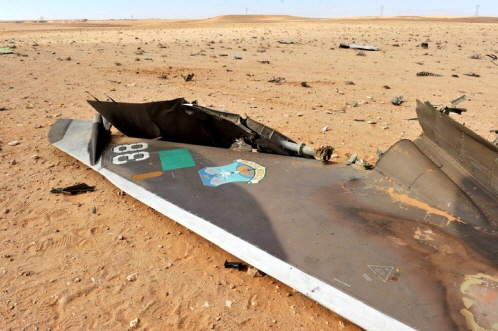
During the Libyan civil war the Ghardabiya air base lost one Su-24MK ‘Fencer-D’ tactical bomber aircraft on 5. March 2011.
The burnt-out wreckage of a Mi-35 ‘Hind-E’ combat helicopter from the 1335th Squadron at Benina Airport in 2011.
The activity of attack aircraft stationed at the Ghardabiya airbase did not escape the attention of NATO. On 19th March the base was attacked:
-
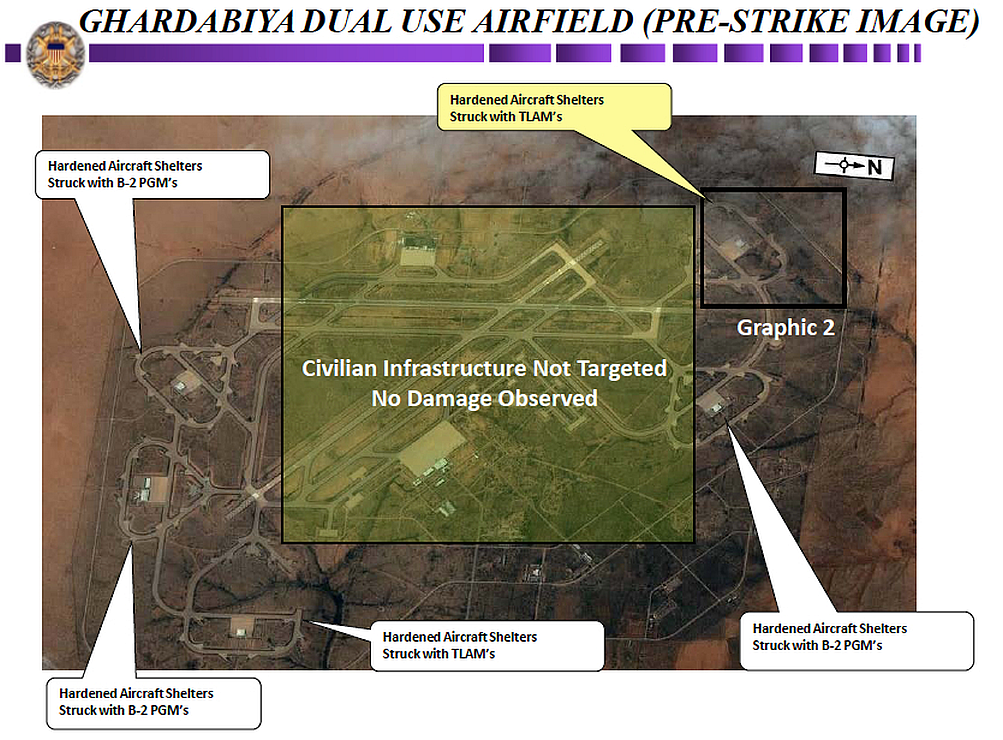
Three USAF B-2A Spirits, operating direct from Whiteman AFB and supported by six KC-135Rs, attacked hardened shelters at Ghurdabiya airbase near Sirte. The B-2s dropped Joint Direct Attack Munitions (JDAMs) on the hardened shelters of three "squadron zone".
Tomahawk Land Attack Missile (TLAM) strikes from US NAVY warship and four submarines (three US and one and one UK) to the Libyan air defenses as well as command, control centers and the hardened shelters of two "squadron zone" at the Ghardabiya airbase
-
And 12 F-16CM Fighting Falcons from Spangdahlem's 480th FS flying from Aviano suppressing the Libyan air defenses around the Ghurdabiya airfield.
What had been considered unimaginable at the time of the Ghardabiya air base's design came to pass in 2011. The NATO forces destroyed all active aircraft on the base and the radars of the nearby air defense missile sites in a single operation. In addition to this, destroyed most of the stored aircraft too. Only three non used L-39ZO Albatros training aircraft survived the USAF air strike.
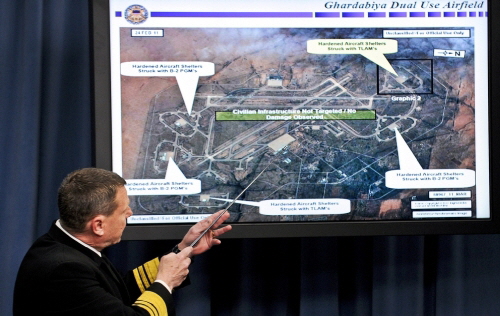
Right: In Washington in March 21, 2011, the US Navy Vice Adm. William E. Gortney will present the details of the air strike against the Ghardabiya air base. Photo: AFPS
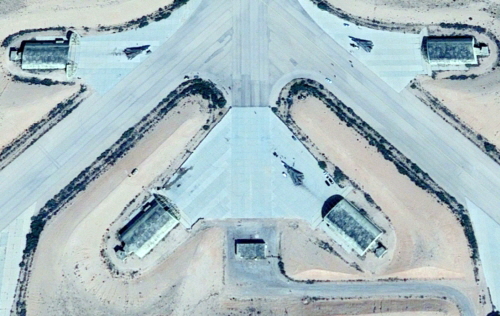
The Ghardabiya airbase's hardened shelters with three Libyan Su-24MK from the 1124th Squadron before B-2A Spirit air strike. Photo: Maxar
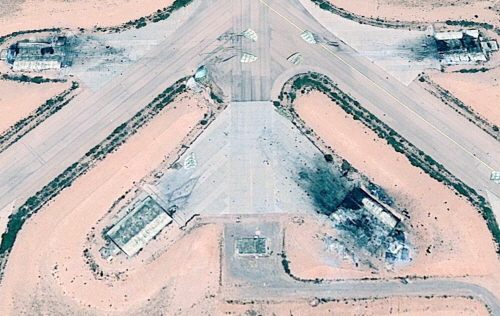
The Ghardabiya airbase's hardened shelters destroyed during the B-2A air strike. Internal explosions blew the shelters doors tens of meters away. Photo: Maxar
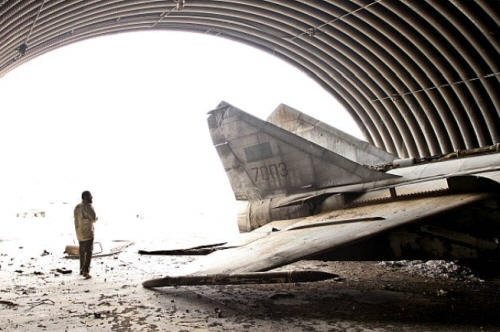
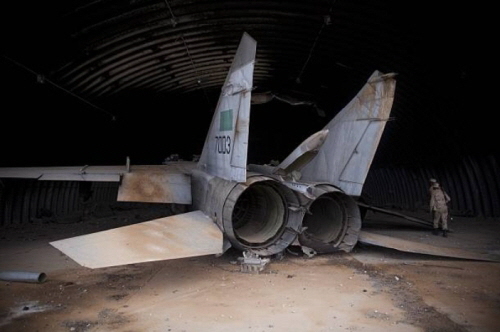
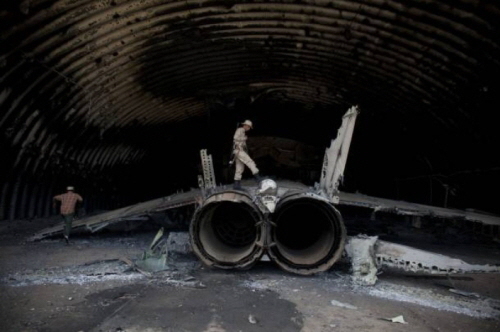
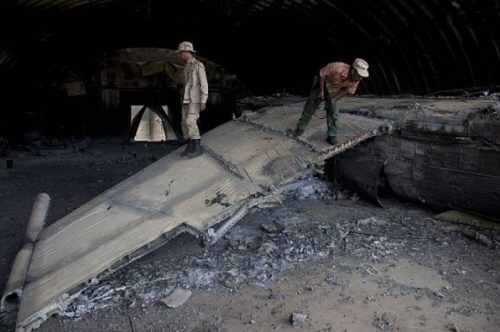
The Libyan 1055th Squadron’s unused MiG-25PD/PDS ‘Foxbat-E’s interceptors destroyed under hardened aircraft shelter at Ghardabiya airbase during Tomahawk (TLAM) strikes. Photo: Majid Saeedi
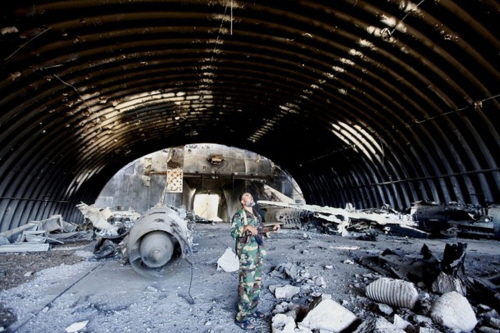
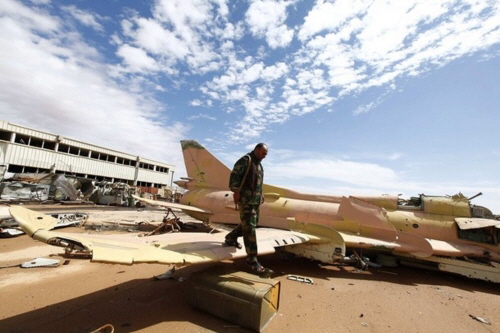
The Libyan 1022nd Squadron’s Su-22Ms destroyed under hardened aircraft shelter at Ghardabiya airbase during USAF B-2A attack.
Libyan unused Su-22M (S-52K) 'Fitter' bomber wreckage at Ghardabiya airbase after the air strike.
This air strike marked the end of the huge Ghardabiya airbase's 33-year military history, rich in events. During its history, eight air squadrons and the Sirte Air High School of the Libyan Arab Air Force used this airport from 1978 to 2011:
-
1022nd Squadron wirh Su-22, then Su-22M reconnaissance bomber aircraft between 1978-2011
-
1032nd Squadron with Su-22 and Su-22M reconnaissance bomber aircraft between 1979-1988
-
1090th Squadron with MiG-23MF fighter aircraft between 1982-1986
-
1055th Squadron with MiG-25PD/PDS fighter aircraft between from 1986 to after the millennium
-
1124th Squadron with Su-24MK tactical bomber aircraft between 1989-2011
-
1314th Squadron with Mi-14PL search and rescue and anti-submarine helicopters between 1981-1988
-
1325th Squadron with Mi-25 (Mi-24D) attack helicopter between 1982/3-1988(?)
-
1335th Squadron with Mi-35 (Mi-24V) attack helicopter between 1988-2011
-
Sirte Air High School with L-39ZO Albatros trainer aircraft from 1979 to early 90s
Of course, the story does not end here. During the Second Libyan Civil War, ISIL militants took control of the airport and its surroundings. For example, these forces were then attacked by Khalifa Haftar's Libyan National Army with older MiG-21s and USAF high-tech B-2A Spirit bombers for At the same time. But that is another story...
Sources:
-
Libyan Air Wars: Part 1: 1973-1985 (Africa@War) by Tom Cooper, Albert Grandolini
-
Libyan Air Wars: Part 2: 1985–1986 (Africa@War) by Tom Cooper, Arnaud Delande, Albert Grandolini
-
Libyan Air Wars: Part 3: 1986–1989 (Africa@War) by Tom Cooper, Arnaud Delande, Albert Grandolini
-
Combat Aircraft Monthly May 2011
-
Combat Aircraft Monthly June 2011
-
AL-TOMMY CENTER
-
Libyan Fighter Pilots - FB Group
-
Libyan Military Aviation Magazine - FB Page
-
https://www.af.mil/News/Article-Display/Article/113878/no-fly-zone-in-place-but-danger-remains-admiral-says/